

Today, at 14:46 UTC, the Sun crossed the celestial equator heading north. For one moment, the Earth's axis pointed neither toward nor away from the Sun. Light and dark split the planet almost exactly in half. The northern hemisphere tilted back into warmth. The southern hemisphere leaned into cold.
This is the equinox. The actual reset button. The moment when the planet itself draws a line and says: everything after this is new.
For at least 4,700 years, virtually every civilization on Earth treated this moment as the beginning of the year. The Babylonians threw a twelve-day festival. The Persians set a table with seven symbols of renewal. The Romans dressed up as each other and laughed until they cried. The Egyptians ate salted fish by the Nile. The Maya watched a feathered serpent descend a pyramid. The Druids lit hilltop fires. The Japanese visited their ancestors' graves.
Then, in 1582, a pope moved New Year's Day to January. And now we celebrate the arrival of spring by filing quarterly earnings reports, buying clothes we'll wear seven times, and signing up for gym memberships we'll abandon before the cherry blossoms fall.
Same ritual. Different altar.
The Tilt
Here's what actually happens at the equinox, because most people have a vague sense that "the days get longer" without understanding why.
Earth doesn't orbit the Sun upright. It's tilted 23.4 degrees off vertical, like a spinning top that got bumped. This tilt is the entire reason seasons exist. When the northern hemisphere leans toward the Sun, it gets more direct light and longer days. That's summer. When it leans away, less light, shorter days. Winter.
The equinox is the moment when neither hemisphere leans toward the Sun. The terminator (the shadow line between day and night) runs straight through both poles. Every point on Earth gets approximately twelve hours of light and twelve of dark.
Approximately. Not exactly. The equinox day is actually about eight minutes longer than the night, because the Sun is a disk, not a pinpoint. Sunrise is measured from when the leading edge of the Sun crests the horizon, and sunset from when the trailing edge disappears. Add atmospheric refraction bending the light, and you're seeing the Sun several minutes before it physically clears the horizon.

The equinox point itself isn't fixed, either. Earth's axis wobbles like a dying top, tracing a complete circle every 25,772 years. The Greek astronomer Hipparchus spotted this in 129 BCE by comparing his star charts to Babylonian records and noticing everything had shifted. This wobble, called the precession of the equinoxes, means the North Star changes over millennia. Polaris wasn't always the North Star. Thuban held the job when the pyramids were built. Vega will take over in about 13,000 years. The equinox point slides westward along the ecliptic at roughly one degree every 72 years. The sky itself rotates. Slowly. But it rotates.
The ancients knew this. They built structures to track it. And every single one of those structures was calibrated to the equinox, not to January 1st.
Every Culture Knew
This isn't a coincidence. It's a pattern so consistent that ignoring it requires deliberate effort. Let's walk through the map.
Nowruz is the oldest continuously celebrated holiday on Earth. The Persian New Year falls on the spring equinox and has been observed for over 3,000 years, rooted in Zoroastrianism. Today, more than 300 million people across Iran, Afghanistan, Azerbaijan, Kurdistan, Central Asia, and diaspora communities worldwide celebrate it. The United Nations formally recognized March 21 as International Nowruz Day. UNESCO placed it on the Intangible Cultural Heritage list in 2009. The central tradition is the Haft Sin table: seven items beginning with the Persian letter sin, each symbolizing a different aspect of renewal. Wheat grass for rebirth. Garlic for medicine. Vinegar for patience. Apples for beauty. The night before, families jump over bonfires in Chaharshanbe Suri, giving their sickness and pallor to the fire and taking its warmth and energy.
Akitu was the Babylonian New Year festival, dating to roughly 2000 BCE, evolved from the Sumerian Zagmuk festival that's even older. It lasted twelve days. On the fifth day, the king of Babylon was stripped of his royal garments, brought barefoot to the temple of Marduk, and forced to kneel. A high priest slapped his face and pulled his ears. The king had to weep. If the tears came, Marduk was satisfied and extended the king's rule for another year. If they didn't, bad omen. Try harder. The rest of the festival involved reciting the Enuma Elish (the creation epic), parading cult statues through the Ishtar Gate, and a ritual sacred marriage to ensure the land's fertility. Modern Assyrians still celebrate Akitu on April 1.
The King Gets Slapped
Once a year, the most powerful man in Babylon had to kneel before a priest, get slapped in the face, and cry on command to prove he was still worthy of ruling. The ceremony was called Akitu and it happened at the spring equinox. Try to imagine any modern leader submitting to this. Try to imagine any of them even showing up.
Ostara and Eostre. The word "Easter" comes from Eostre, a Germanic goddess of spring and dawn, first documented by the Venerable Bede in the 8th century. The Anglo-Saxons named April "Eosturmonath" in her honor. The hare and the egg, both symbols of fertility and rebirth, trace back to her cult. The eggs you dye every spring? The chocolate rabbits? Those aren't Christian symbols. They're equinox symbols. Christianity adopted them because you can't erase a 4,700-year-old tradition. You can only rebrand it.
Hilaria was the Roman festival of joy, held on March 25 to honor the resurrection of Attis, consort of the goddess Cybele. Before the joy came the horror: on March 24, the "Day of Blood," followers mourned Attis by flogging themselves until they bled. The priests, called the Galli, performed ritual castration as initiation. Then, on March 25, Attis was reborn, and the entire mood flipped. Feasts. Masquerades. People dressed as magistrates; magistrates dressed as commoners. Social hierarchies dissolved for a day. Flowers sprang from where Attis's blood had fallen. His body became a pine tree. Sound familiar? A god dies. A god rises. Flowers and trees mark the resurrection. The date: March 25. This was happening in Rome centuries before Christianity arrived.
Sham el-Nessim translates to "smelling the spring breeze" and dates to approximately 2700 BCE in Egypt. The Great Sphinx of Giza aligns with the rising sun on the equinox. Egyptians offered salted fish, lettuce, eggs, and onions to their gods. Lettuce was sacred to Min, the fertility god. Eggs represented the cosmic egg from which the universe was born. This festival has survived the pharaohs, the Greeks, the Romans, Christianity, Islam, and modernity. Today, all Egyptians celebrate it regardless of faith. The menu hasn't changed in five millennia.
Higan in Japan is a seven-day Buddhist observance centered on the equinox, unique to Japanese Buddhism with no equivalent elsewhere. Pure Land Buddhists celebrate because the sun rises due east and sets due west on the equinox, pointing directly toward Amida Buddha's Pure Land. Families visit ancestral graves, clean tombstones, and share botamochi, sweet rice cakes with red bean paste believed to ward off evil spirits. The tradition dates to 806 CE.
Chichen Itza. At the Pyramid of Kukulkan in Yucatan, the equinox creates a shadow effect lasting about 45 minutes: light and shadow form seven triangles on the northern staircase, connecting the top platform to the carved serpent head at the base. It looks exactly like a feathered serpent descending from the heavens to the earth. The pyramid has 365 total steps. The Maya designed it as a calendar you could walk on.
The Druids called the equinox Alban Eilir, "The Light of the Earth." They lit hilltop bonfires, planted seeds, and drew water from running streams before sunrise. Their symbolic animal was the hare. Their symbolic plant was the trefoil. Sound like any holidays you know?
Holi, the Hindu festival of colours, falls near the equinox and celebrates the love between Radha and Krishna, the triumph of good over evil, and the arrival of spring. Bonfires the night before burn away the old. Color powders the next day dissolve social boundaries. Everyone gets covered. Everyone is equal.
Persephone returns from the underworld. Demeter stops grieving. The earth blooms. The Greeks didn't explain the equinox with astronomy. They explained it with a story about a mother getting her daughter back. The science is the same. The metaphor is better.
Wurdi Youang in southeastern Australia is a stone arrangement of about 100 basalt stones in an egg-shaped ring, roughly 50 meters across, aligned to the equinox. Aboriginal Australians, descendants of the first people to leave Africa up to 75,000 years ago, were tracking the equinox with stone observatories while the ancestors of every European civilization were still figuring out agriculture.

Every one of these cultures, separated by oceans, continents, languages, and millennia, independently concluded the same thing: the year begins when the light returns. Not in the dead of winter. Not when some consul needed to deploy troops. When the planet itself turns the corner.
When They Stole the New Year
Want proof that March was the original first month of the year? You're carrying it in your vocabulary right now.
September comes from the Latin septem, meaning seven. October from octo, eight. November from novem, nine. December from decem, ten. Count forward from March: March is one, April is two, May three, June four, July five, August six, September seven. The names match perfectly. This isn't a theory. It's baked into the words themselves.
The Proof Is in the Names
If January were the original first month, then September (from Latin septem, 7) would be the ninth month, which makes no sense. It only works if you count from March. The month names are a fossil record of a calendar that started at the equinox. We changed the system. We forgot to change the names. The evidence has been hiding in plain sight for two thousand years.
The early Roman calendar, attributed to Romulus around 753 BCE, had ten months starting with Martius (March). The year was 304 days, followed by an uncounted winter gap where time essentially didn't exist. Nobody even bothered naming those weeks. Winter was just a pause between years. King Numa Pompilius added January and February around 713 BCE, but March stayed the first month for centuries afterward.
So when did January 1st become the new year? 153 BCE. The reason? A military emergency. The Roman Senate moved the consular year from the Ides of March (March 15) to January 1st so that newly elected consuls could take office sooner to put down a rebellion in Hispania. That's it. The most universally observed date in the modern world exists because of a Roman troop deployment to Spain. There's no cosmic significance. No agricultural logic. No cultural meaning. Just logistics.
Even after that change, March stayed the practical new year for most of the Western world for another seventeen centuries. England used March 25 as New Year's Day until 1752. That's not ancient history. That's after Shakespeare. After Newton. After the founding of Harvard. George Washington was born on February 11, 1731, under the old calendar. When England finally adopted the Gregorian calendar, his birthday jumped to February 22, 1732. The man's birthday changed because a pope decided January 1st was better than March 25.
Pope Gregory XIII issued Inter gravissimas in 1582, fixing the Julian calendar's drift (the equinox had slipped from March 21 to March 11, a ten-day error) and formally establishing January 1 as the legal start of the year. Catholic countries adopted it in the 1580s. Protestant nations resisted for over a century, suspecting a Catholic plot. Sweden took until 1753. Russia held out until 1918. Greece didn't switch until 1923. Full global adoption of the Gregorian calendar took over three centuries.
I wrote about the deeper calendar problem in The Thirteenth Month: how a 13-month calendar of 28 days each perfectly aligns with lunar cycles, how Kodak used one internally for 61 years, how the League of Nations nearly adopted it. The equinox is the natural anchor for any calendar that takes the cosmos seriously. We abandoned it for one that takes military logistics and papal authority seriously instead.
The Modern Spring Rites
Here's the part nobody wants to hear. We didn't stop performing spring rituals. We just stopped calling them that.
Every single thing that happens in the modern world between March and May follows the exact same pattern as every equinox festival in recorded history: purification, sacrifice, renewal, planting, pilgrimage, and the desperate hope that this year will be better than the last. The Babylonians brought offerings to Marduk. We bring offerings to the S&P 500. The mechanics are identical.
The Quarterly Sacrifice
Q1 closes on March 31. Every publicly traded company in the world then performs an elaborate ritual called the earnings call. Executives enter a conference room (the temple), recite prepared statements about revenue and guidance (the liturgy), and submit themselves to questions from analysts (the priests). The analysts interpret the numbers the way Babylonian haruspices interpreted sheep livers: looking for signs, omens, and hidden meanings in the data.
If the numbers please the Market, stock prices rise. The company is blessed for another quarter. If the numbers disappoint, the Market punishes. Share prices collapse. Executives are sacrificed (fired, restructured, "transitioned"). The cycle repeats in 90 days.
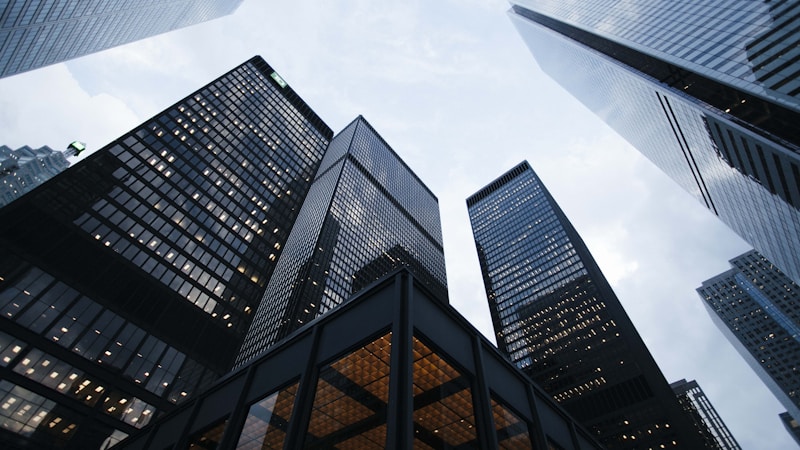
The Babylonian Akitu featured the king being slapped and forced to weep. The modern earnings call features the CEO being grilled on margin compression and forced to say "we remain cautiously optimistic" while their stock drops 8% in after-hours trading. Different temple. Same humiliation.
The Purification Ritual
Spring cleaning is a $60 billion industry in the United States. Eighty percent of Americans participate. But here's the twist: nobody actually reduces what they own. They buy more things to organize the things they already have. Storage bins. Drawer dividers. Closet systems. Vacuum attachments. The average spring cleaner spends $72 per year on cleaning products alone, which is more than non-spring-cleaners spend. The ritual isn't about cleaning. It's about purchasing symbols of cleanliness. It's commerce disguised as catharsis.
The ancient Egyptians offered onions and lettuce to their gods during Sham el-Nessim. Americans offer $72 to Target during spring cleaning. The onions at least had nutritional value.
The Garment Offering
Every spring, the fast fashion industry drops its new seasonal collections. Americans now buy 68 garments per year, up from 28 in the mid-1990s. The average garment is worn seven to ten times before being discarded. Globally, the fashion industry produces 92 million tonnes of textile waste per year. Eighty-five percent of it ends up in landfills or gets incinerated. Less than one percent is recycled into new clothing.

Ancient spring festivals involved putting on new clothes to mark the transition into the new year. The symbolism of shedding the old and wearing the new is as old as civilization itself. We kept the ritual and turned it into an ecological catastrophe. Over 2,150 pieces of fast fashion enter U.S. landfills every second. The fashion industry produces more carbon emissions than international aviation and maritime shipping combined. But the spring collection drops and everyone lines up.
The Body Transformation Vow
The fitness industry runs on a pattern so predictable it might as well be liturgical. January gym memberships surge by 12%. By March, over 80% of those new members have quit. Americans waste roughly $1.3 billion per year on gym memberships they never use. The "summer body" campaign begins in March, a two-month window where the industry sells transformation the same way priests sold salvation: with urgency, guilt, and the implication that your current state is unacceptable.
Only 8% of people achieve their New Year's resolutions. The other 92% perform the ritual of signing up, buying the gear, attending three times, and then paying a monthly fee for the privilege of intending to go. It's not exercise. It's an indulgence. You're paying for absolution from the sin of not exercising.
The Pilgrimage
Spring break is modern Bacchanalia. The average spring break trip costs $2,138. Sixty-one percent of Americans plan to travel. The destination is always the same archetype: warm water, sunlight, excess. It's the same pilgrimage humans have made every spring since the Neolithic: leave the cold settlement, travel toward the sun, gather with others, celebrate survival. We just added all-inclusive drink packages.
The Planting Ceremony
Every spring, millions of Americans descend on garden centers and spend $500 per household on plants, soil, tools, and accessories. The national garden industry pulls in over $51 billion per year. The results? Sixty-seven percent of millennials describe themselves as "plant murderers." Urban gardeners lose 43% of their plants. The average millennial has killed seven houseplants. Garden centers are focused on selling product, not teaching people how to keep things alive. The spring planting ceremony is exactly that: a ceremony. You buy the symbols of growth, perform the ritual of potting, and then watch everything die by July.
The Modern Spring Ritual Checklist
Spring cleaning products: $72. New wardrobe that'll be landfill by fall: $400+. Gym membership you'll use three times: $155/month. Spring break pilgrimage: $2,138. Plants you'll kill by July: $500. Tax preparation for Q1 estimated payments: $300+. Total cost of performing the modern spring rites: roughly $4,000 per person, per year. The Babylonians just had to slap their king.
"Give me the money that has been spent on spring cleaning products alone, and I will clothe every garden in blossoms that actually survive the summer."
The New Mythology
Somewhere around the year 4000, an archaeologist will dig through the compressed data layers of our civilization and reconstruct our spring rituals. They won't call them rituals. They'll call them "seasonal behavioural patterns consistent with equinoctial renewal cycles." But they'll see the same structure every archaeologist sees in every civilization: the approach of spring triggered a cascade of coordinated, society-wide activities that followed a mythic pattern of death, purification, offering, and rebirth.
Here's what they'll find.
The Quarterly Sacrifice to the Market Gods. Every 90 days, the priestly caste (analysts) gathered to interpret the sacred numbers (revenue, EBITDA, guidance). The high priests of each corporate temple (CEOs) presented their offerings. If the Market was pleased, the temple prospered. If not, the high priest was replaced and the temple restructured. The faithful (shareholders) checked their portfolios (prayer scrolls) daily.
The Ritual Cleansing of the Dwelling. Each spring, citizens purchased ritual cleansing implements from centralized distribution temples (big box stores). The act of cleansing was secondary to the act of purchasing. The implements themselves were often stored unused, suggesting the transaction was the sacrament, not the cleaning.
The Garment Burning. Citizens discarded perfectly functional garments and acquired new ones from textile temples that produced goods designed to decompose within a single seasonal cycle. Over 2,150 garment-offerings entered the sacred disposal grounds (landfills) every second. The sheer volume suggests a deeply held belief that renewal required material sacrifice.
The Pilgrimage to the Warm Waters. Young initiates traveled great distances to gather near warm bodies of water, where they performed group rituals involving music, fermented beverages, and the systematic inversion of daily social norms. The pilgrimage cost was significant, suggesting it served as both a rite of passage and a demonstration of tribal wealth.
The Planting Ceremony. Citizens acquired living organisms (plants) from horticultural distribution centers and installed them in their dwellings. Mortality rates exceeded 40%. The repeated failure did not deter participation, suggesting the act of planting was symbolically meaningful independent of the outcome.
The Agricultural Automation Rites. Vast autonomous machines traversed the fields, planting seeds in geometric patterns no human hand could replicate. Satellites monitored growth from orbit. Drones sprayed interventions calibrated by algorithms. The humans who once performed these acts had been replaced entirely, yet the rituals continued with mechanical precision. The fields still bloomed. Nobody celebrated.
The Tax Tithing. On the fifteenth day of the fourth month (counted from the stolen January), citizens submitted detailed financial confessions to the central authority. Approximately 80% of citizens preferred ritual dwelling-cleansing to this process. Those who submitted correctly received a partial return of their tribute, which they immediately spent on garments, gym memberships, and plants.

The pattern hasn't changed in five thousand years. The costumes changed. The altars changed. The specific gods we're appeasing rotated from Marduk to Christ to the Dow Jones Industrial Average. But the human response to the return of light is the same thing it's always been: we feel the turn, and we perform the rites. We clean. We buy new things. We plant. We travel. We confess. We sacrifice. We hope.
The only difference is that we stopped admitting what we're doing.
The Babylonians knew they were performing a ritual. The Persians know. The Japanese know. They set a table, visit their ancestors, jump over fire, eat symbolic foods. They do it with intention and awareness. They name what they're doing.
We do the same things. We just call it "Q1" and pretend it's rational.
Happy New Year
So here's my suggestion. Today, on the actual new year, the one the planet chose, do something the ancients would recognize.
Go outside. Feel the tilt. Notice that the light is different today than it was yesterday, because it is. The Sun rose due east this morning. It will set due west tonight. That only happens twice a year. You are standing on a planet that just crossed a threshold, and three hundred million Persians already set their tables and jumped over their fires and started the year with intention.
You can join them. Or you can wait until Q1 closes and see if the Market gods are pleased.
The equinox doesn't care either way. It'll be here again next year, just like it was here 4,700 years ago when the Egyptians first ate salted fish by the Nile, and 2,000 years ago when the Babylonians slapped their king, and 800 years ago when the Maya watched a serpent descend a pyramid.
The planet knows what day it is.
Your calendar just forgot.

